Showing posts with label transplant recovery. Show all posts

Tuesday, July 30, 2013

Six months later...


It has been six months since my transplant. Overall, I think I am doing great. In my appointment with my transplant nephrologist last week, he said that my lab numbers look great. If these numbers continue, I may just need to go to the labs once a month. My doctor even said that these are ideal for a kidney transplant recipient. My last creatinine was 0.95! My husband and I couldn’t be any happier.

I am elated with these results and am very determined to maintain these numbers. For me to able to maintain these great numbers, I need to remember to do these key items.

Take your medications regularly. Taking your immunosuppresants, anti-infection, and other maintenance medications are very important for any transplant recipient. This ensures that the immunosuppressant levels, which are critical in preventing the body to reject the new kidney, are at optimum levels. I should read my post on taking your meds as a reminder.

Keep moving.  This means exercise, exercise, and more exercise. I find that when I walk, my body (and mind) is able to function more efficiently. I make it a point to exercise at least 20-30 minutes a day whether if it is walking, practicing aikido, or dancing hula. Sometimes I do overdo it, like last Saturday, when I went to a 2-hour hula workshop and walked almost 40 minutes (one way) to go to a baseball game. While it is important to move, do it in moderation and consult your doctor before you start a new exercise routine. I have to keep reminding myself that my surgery was not too long ago. Rest and recovery are still equally important.

Maintain a balanced diet. Must. Eat. Healthy. Since I now have a healthy kidney, I can pretty much eat whatever I want. I do not have any more restrictions on phosphorus (and therefore no need for binders) so I can add whole wheat and other grains in my diet. I loved experimenting on different grains. When I was in dialysis, I was pretty much limited to white rice and white bread. Now, I can have quinoa, barley, corn meal, and oats (my favorite). I still need to be careful though; immunosuppressants may increase potassium in one's system so you may need to watch high-potassium foods like bananas, mangoes. and coconut. More on this later…. I feel a post coming.

Maintain food safety. Just as important as keeping a healthy diet is maintaining excellent food safety.  Bad bacteria in foods can make you sick, and since my immune system is lowered, I am more susceptible to illness. Also, my nutritionist said that certain salmonella can considerably damage my kidney. Maintaining good food preparation habits and selecting reputable restaurants with a clean kitchen are very important. Check the National Kidney Foundation's article on Food Safety or my previous post on this.

Keep hydrated. My new kidney needs to be constantly hydrated, so I need to drink plenty of water. In fact, my excellent creatinine results were partly due to the summer heat. I was drinking so much water since I was always thirsty with this summer heat. To my surprise, my creatinine considerably improved. I do need to go to the bathroom more… deal with it!

Manage your stress levels. Stress has been known to adversely affect one's health: whether it is stress from your medical condition, work, or relationships. I try to keep my stress-levels low by having a positive attitude and surrounding myself with positive people. I also try to have some quiet time either through meditation, walking, or even blogging. These allow me to center myself and hear my thoughts better.

Have a good support system. Having an understanding husband and good close friendships were very key during my recovery. My husband provided most, if not all, of the physical help needed in that period: cooking meals, cleaning, driving me to doctor’s appointments. He was a rock, and I am very grateful he is here to support me. My friends also provided encouragement and support even though some of them are hundreds, if not, thousands of miles away. They kept my spirits up and kept me going. I need to remind myself to maintain my relationships and never take them for granted.

I still have a long way to go, and getting through these last six months is just a step in the process. I want to have a healthy kidney for a long time, maybe for the rest of my life. To accomplish that I need to continue to always keep these tips in mind.

I’d love to hear from you if you have any more advice for me. Wish me luck!!!

Saturday, July 6, 2013

Take your meds!


I recently saw a (web) presentation on medication adherence. According the presenter, about 50% of patients living in developed countries do not follow treatment recommendations. I was very surprised to hear this statistic (So surprised, that I even confirmed it via wikipedia). Fifty percent is a huge number, and I think that taking your meds the way your doctor has prescribed them is critical to improving your health, especially during one’s recovery from surgery.

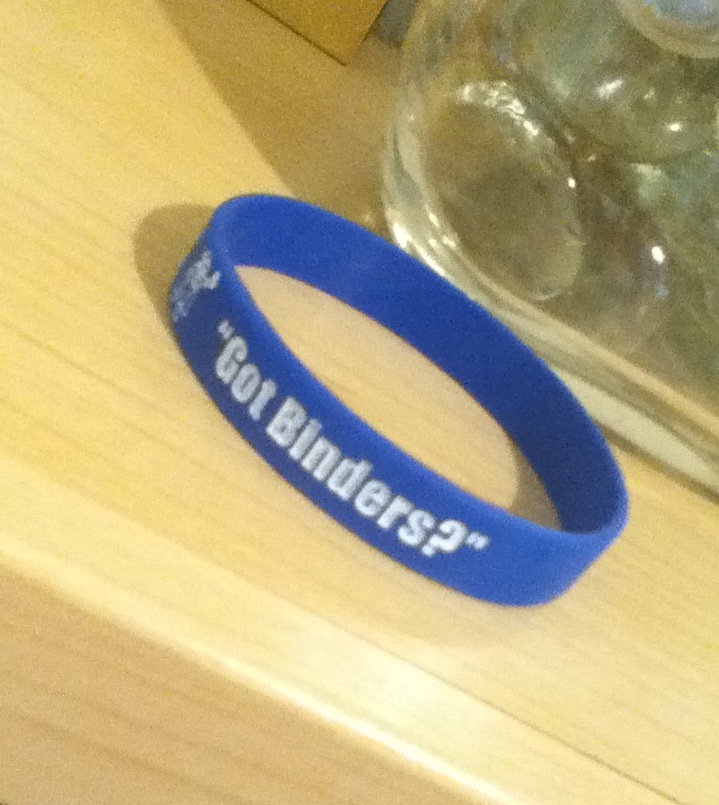
Bracelet reminder of binders
Bracelet to remind me of my binders
As an example, when I was getting dialysis treatments, the dietician and the charge nurse always reminded me to take my binders to keep my phosphorus levels low. I hated those pills – they were horse pills (See my previous post – Got pills?). I could not count how many times I almost choked on those things. Regardless, I took them with every meal and snack. I was determined to keep my phosphorus low, even if there were times when my phosphorus levels were going the opposite way and I did not think the binders were working.

After my transplant, taking my medication is even more important, specifically the anti-rejection or immunosuppressants. To ensure that I have adequate levels in my blood stream, I need to take my medication every 12 hours, like clockwork. It is very important. I have an alarm in the morning and in the evening as a reminder and a prescription diary to keep track of what I take daily.  The transplant pharmacist once told me that a transplant recipient lost the kidney because that patient kept forgetting to take his/her medication on time. Since I am determined to keep this kidney for a long time, it is very important to me to take my meds at the specified time. 
iPod Alarm for Meds
I have an alarm for meds!

Don’t get me wrong. I do forget my medication sometimes. I can think of more than a handful of times when I forgot to take my blood pressure pills or even my phosphate binders. The key is to make it the exception, not the rule. For blood pressure pills, take them as soon as you remember. Also, make a note on what occasions make you forget to take them (mine is usually when I am in a hurry or distracted) and try to correct it.

In that presentation, I learned that many people never order their prescriptions. Some order them, but never pick up their filled prescriptions from the pharmacy. Other people pick up their medication, but don’t follow their physician’s instructions.  Although I have had a history of researching every medication that has been prescribed to me and sometimes questioning why I take them, I usually work with my physician to get a win-win situation. As an example, I have not been a big fan of taking statins for cholesterol. I’ve read of the side effects, have seen those side effects first-hand, and would prefer an alternative drug. However, I worked with my then primary care physician to lower my cholesterol (specifically triglycerides) without taking statins. We found an alternate drug. Ironically, I am taking statins now for maintenance (I may have a conversation with my transplant nephrologist after a few months).

That presentation inspired me to be more mindful of taking my medication regularly, and I am hoping this post will inspire you to do the same. Do whatever it takes to take them on time and at the correct dosage, whether you need to set an alarm or keep a diary. “Not taking your medicine as directed can also lead to other health problems, especially if you already have asthma, diabetes, or high blood pressure” (From ScriptYourFuture.com). And remember, diabetes and hypertension can lead to kidney disease.

Saturday, June 1, 2013

Shades of Normalcy


Movie Tickets
Movies...
Last week for the first time in what seems to be a long time, we had a night out.  Hubby just finished a huge project, and it has been almost four months since my transplant. Since we got the go-ahead from the dietician to dine out, we thought we would celebrate over the weekend. After all, cooking everyday, as creative and enjoyable as it is, can be a bit tiring.


So Saturday and Sunday last weekend, we enjoyed a movie and dinner out.  The new summer movies were already out, so we thought we’d catch the latest flicks. It was a great two evenings!

That said, I did have to take some precautions. As an example, some people were coughing in the theater. It could be just dry throat due to popcorn, but as a recent transplant recipient, I could never be too sure. So, I put on my mask and continued to enjoy the movie. It was Star Trek after all.

...and Dinner. No Binders Needed!!!
Over dinner, we picked relatively healthy choices, except for the deep-dish pizza. My husband has not had deep-dish pizza from Zachary’s, so it was a must. Oooh, those two slices were so good. I did remove some of the tomato sauce since it is rich in potassium. I could not imagine enjoying those when I was in dialysis. No amount of binder can counteract the phosphorus in that slice of pizza.

Overall, it was a very enjoyable weekend. After my transplant, my husband recalled that the surgeon said to me, “Welcome to a new life”. A new life, indeed. Last weekend was just a brief taste of it. I can’t wait.

Sunday, May 19, 2013

On My Latest Doctor’s Visit: Five Tips for a Productive Monthly Check-up


I had my latest doctor’s visit last Tuesday. Overall, it was pretty good. My routine lab numbers are great, particularly my creatinine and BUN (Blood Urea Nitrogen) – both are very important measures of kidney health. My blood pressure has stabilized, although it is still a bit on the high side. And, I am back to my extra-curricular activities, even though it is not as often. Overall, I am in good shape.

I am writing this post not just to update you on my current health status, but also to offer some tips on a successful doctor’s visit. Since I’ve been back to work for two months now, I have regular meetings with my manager, associates, and some of our clients. On my last doctor’s visit, I treated it like a meeting with my boss.  Here are some tips based on my observations:


  1. Be prepared to say what’s new and how are you feeling. I was actually unprepared for this, but was able to share the state of my health, from my own perspective, of course. Think of it as a status of what you’re working on. Focus on both the good and the bad. 
  2.  Prepare questions ahead of time and prioritize them in the event that you do not have time to ask them all. Some of these may not be related to your current status, but rather about something down the road - still important. One of my questions was whether I can now travel. This is important because I may need to travel for my new projects at work. I wanted to know if there were any concerns or precautions that I should take.
  3. Do your homework before your doctor’s visit. If something is troubling you, do not hesitate look it up on the internet or other resources you have. I believe that the more informed you are about your condition, the more productive your visit will be. Fortunately, unlike your manager, you do not always need to be pro-active and have solutions ready for your physician; although, often times, it can help. As an example, for this visit, we called ahead to request for another ultrasound because of my high blood pressure and some weight gain again. Physicians see hundreds of patients weekly, so they do not necessarily memorize each patient’s history until the actual visit.
  4. Review your notes before the meeting. This is important so you know by heart what your main concerns and questions are. Also, if your physician does not have enough time, you may need to ask them as fast as possible. As an example, this time, the medical clinic was running about 30 minutes late. If I did not have my notes and, for that matter, knew them, I would not have been able to cover all of my questions. I think I covered one question per minute!
  5. Lastly, your caretaker should be as familiar with your questions and your concerns, at the very least, the most important ones. If you are too sick to share your questions and/or concerns, your caretaker should be able to represent you. Fortunately for me, my husband can and would do a very good job for me.

In my last visit, I think I did well on most of the items, but need to work on 1. As is with all things, practice makes perfect! 

Saturday, April 20, 2013

Back to Work - Full time!


As of last week, I went back to work full-time. I had mixed feelings going back to full-time, since I had become used to and somewhat enjoyed my medical break routine: I walked in the morning, prepared and ate lunch, napped, and then walked again. I would even have the television on in the background to listen to Chopped, Kitchen Nightmares or CNN’s Wolf Blitzer. As I mentioned in one of my tweets this week, I have memorized most of the commercials – at least, those on CNN, BBC, and The Food Network (just ask my husband!).

I had planned to work from home all week, but my project required me to spend some time in the office. It was a welcome change to being home, but I was concerned about the drive and the ability to stay awake (no more naps!). My plan was to enjoy a phosphorus-caffeine-boost (translation: a soy coffee latte) midday to keep me up and about. An added bonus was being able to get new nail polish and a new CD this week – from an actual store!

Actually, things went quite well this week. I went into the office twice and got to interact, catch-up, and laugh with my friends at work. I was also able to both start and complete my project. The only casualties were a cancelled meeting (so I could complete my assignment), my jeans, and now a sore back. My tummy was still a bit bloated, so my jeans were really tight while I sat down.  Bummer, but it gives me a chance to wear (cute) dresses more and shop for accessories. The sore back may be due to sitting and not moving around very much. I guess my body is rebelling from sitting 8 hours a day in the same chair.

Next week is another full workweek. I am again hoping that I can work from home most of the days. However, as has been said before, the best laid plans often go astray. I probably should rest up!

Saturday, March 23, 2013

On writing


Now that I am still recovering and am not supposed to exert myself as much, I have some time to write. Right now, it helps me fill time and get used to semi-working; otherwise, I’ll just sleep and watch TV all day.

I’ve been updating my blog fairly regularly; actually, more so immediately after I was discharged. Now, since I am trying to move more, I am still trying to post at least once a week and not slack off. Still, I don’t want it to feel like work, since the most important thing right now is to focus on recovery and not work, even if it is for yourself

The Social Worker at UC Davis said that most transplant-recipients do not remember the challenges they experienced immediately after surgery – all they remember were the good times. I want to remember so I can look back and can appreciate the transplant even more. It also helps me deal with stressful weeks like last one's.

I think of my blog as my journal. When (or if, given last week) I am finally feeling better and back to doing my normal activities, I want to look at the journey that I made from dialysis to transplant to full-recovery. In fact, just a few days ago, I read my posts from when I was in dialysis, and reading them again made me cry. I've experienced a lot since then and have gone a long way; it made me appreciate where I am now. Unfortunately, the journey is not quite over yet. I realized how important this blog is to me, especially when I have challenging times. Of course, sometimes when I am having a bad day, that is when I am not in the mood to write.

One of the unexpected side effects is that my blog and tweets provide me with support from folks who have witnessed or experienced dialysis and dealing with kidney disease. This community has been really helpful, since this is all new territory. It makes me feel that I am not alone. I am hoping that my blog and tweets are also helpful to others who are going through a similar experience.

Until next post.

Tuesday, March 5, 2013

One Foot in Front of the Other – Part II


As part of my recovery, I’ve been asked to walk daily. For those following me at my tweets at twitter, you know that at first, I thought I was supposed to walk for only 10 minutes a day. Looking at my discharge orders, I was shocked to see that I was not walking as much; it is supposed to be 10 minutes for three times a day. Whoops!

A portion of my Daily Walk
I guess that this is consistent with the “Let’s Move Program” which recommends physical activity for 30 minutes for adults. Got to get in the program. It is actually about the same amount of exercise I used to get during my dialysis days (I exercised more on the days that I did not go to dialysis).

I have been walking around our condo complex. I used to walk only about 75% of the perimeter, but now I have to increase the distance. Just in case something happens, Hubby does not want me to go outside of the complex yet. Also, even though I am in the complex, I carry my cell phone, just in case. I walk about three to four laps, twice a day. It’s 0.8 of a mile, and it takes me about 18-20 minutes.

My first goal is to walk without pain. The incision still hurts a bit but not enough to stop me from walking, and I still have some lingering pains outside of the incision related to the surgery. Once the pain disappears, I am hoping that I can get back to my old pace; 55 minutes for about 3 miles.

Then I will begin training for the Kidney Walk.  Wish me luck.